
Tablet structure and taste
Choose supporting ingredients (excipients) that hold the tablet together and help manage taste and mouthfeel.

BlinkTech Technology
Formulation and freeze-drying create the porous tablet. Protective packaging helps keep it stable.
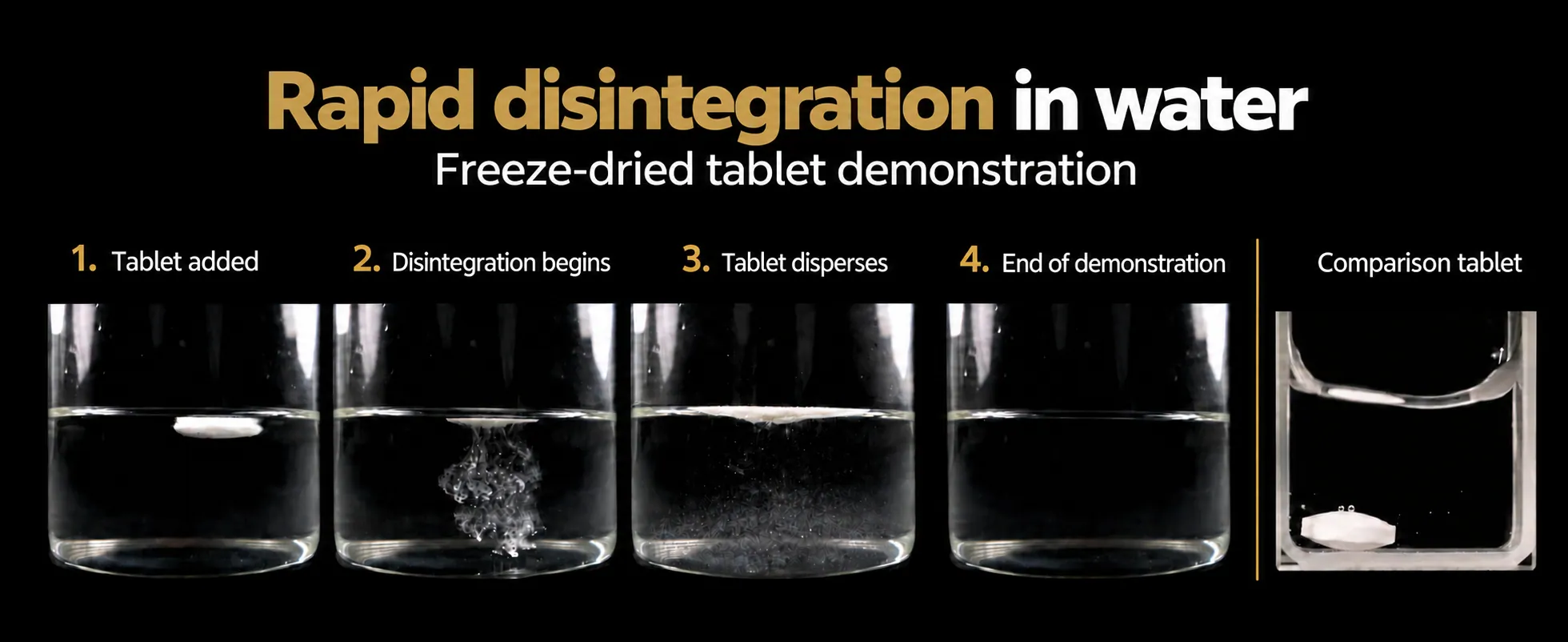
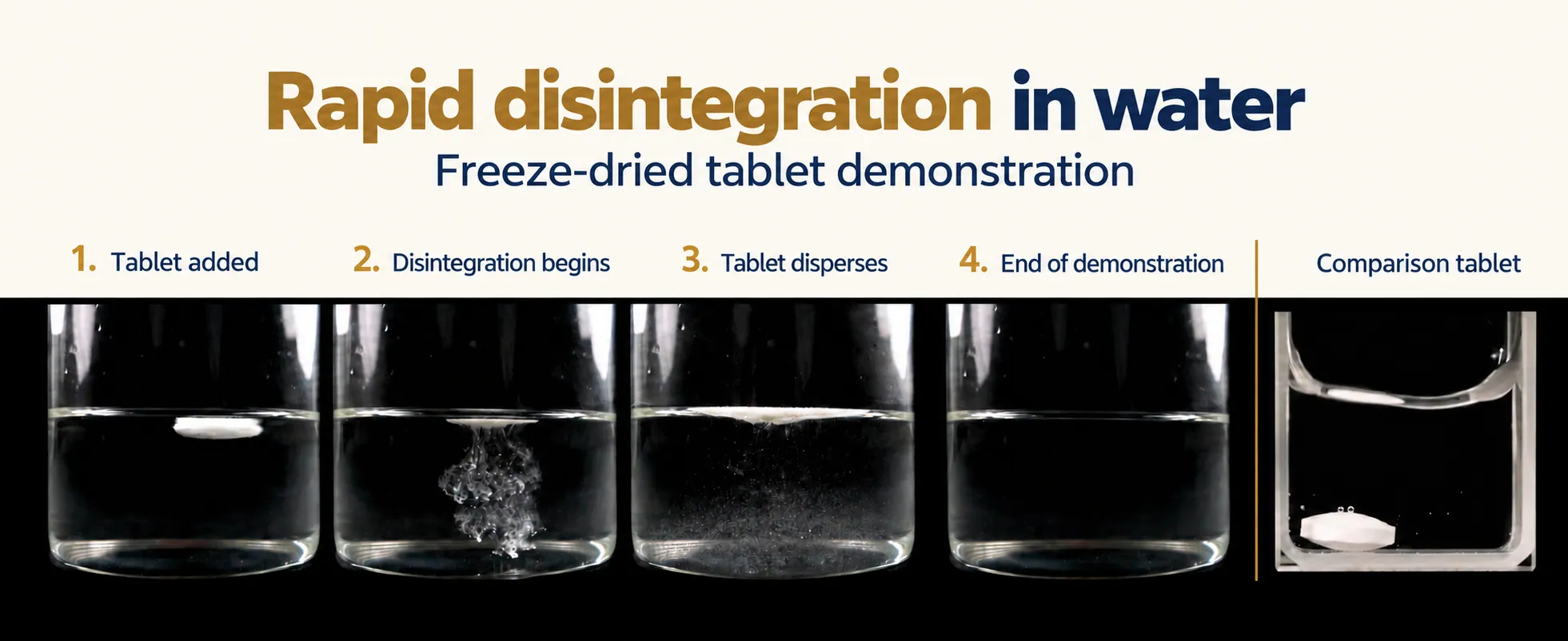
Freeze-dried tablet demonstration
1. Tablet added → 2. Disintegration begins → 3. Tablet disperses → 4. End of demonstration. Comparison tablet shown at right.
Technology overview
Follow a formulation through filling, freezing, drying and protective packaging. The full film includes English narration and captions.
See the format in motion

Prepare the formulation and fill individual doses.
Form ice crystals within the prepared formulation.
Remove ice as vapor, leaving a porous tablet.
The formulation is filled into individual doses and frozen. Drying under vacuum removes the ice as vapor, leaving tiny channels. Saliva can enter these channels and help the tablet break apart. This is called disintegration.
Freeze-drying is also called lyophilization. The ingredients that hold the tablet together form its matrix.
What the platform can do
BlinkTech can be used to develop nutrition, pharmaceutical and veterinary formulations. Each project starts with the ingredient, dose, intended user and the evidence needed for that use.
BlinkTech offers a development pathway for a broad range of medicines currently taken as tablets or capsules. Suitability is assessed ingredient by ingredient, including dose, stability, taste and the required release profile.
Each opportunity starts with feasibility and supporting data. Probiotic survival, retained activity and storage life must be established for the finished formulation and its packaging.
Discuss your formulation →Formulation science
Development brings together tablet structure, ingredient distribution and controlled freezing and drying.
Choose supporting ingredients (excipients) that hold the tablet together and help manage taste and mouthfeel.
Prepare and mix ingredients evenly, then fill a measured amount into each cavity.
Set cooling and drying conditions that balance rapid breakup, handling strength and stability.
A tablet needs enough structure to survive filling, drying, sealing and opening. Formulation work includes choosing the ingredients that hold the tablet together, adjusting taste and setting the cooling and drying rates.
In its 2024 technical presentation, the manufacturer describes more than ten years of work on freezing profiles and reports modifying over 80% of its equipment. For a proposed transfer, request the trial batch size, critical settings, sampling plan, yield definition and the results that will qualify the receiving line.
As ice leaves the frozen tablet during vacuum drying, it leaves small channels in the ingredients that hold the tablet together. Saliva can enter these channels and wet the water-soluble material throughout the tablet. Formulation teams adjust this structure to balance rapid breakup with enough strength to handle the tablet.
The process described in the technical presentation uses liquid nitrogen, a coolant at about −196 °C. To assess a specific product, ask for its measured temperature during freezing and drying, the cooling rate and the performance of the finished tablet.
| Compressed orally disintegrating tablets | VS | Freeze-dried fast-release tablets |
|---|---|---|
| Varies by formulation | Disintegration time | Rapid breakup; reported reference: under 4 seconds |
| Confirmed by product testing | Impurity content | Confirmed by product testing |
| The tablets vary in size and are generally larger | Dosage weight and size | The porous format can produce a light tablet. Ask for measured tablet weights for your batch. |
| Depends on the formulation | Excipient drug ratio | Options with fewer excipients. The ratio varies. |
| Depends on the ingredients selected | Excipient solubility | Matrix ingredients that dissolve in water |
| Varies by product | Bioavailability | Varies by product. Any improvement requires evidence. |
| Varies by product | Absorption rate | Varies by product. Rapid breakup alone does not establish absorption. |
Swipe across the table to compare both formats.
Manufacturing approaches differ; measured performance depends on the finished formulation. Claims about purity, absorption or treatment outcomes require evidence for the specific product. On small screens, swipe across this detailed table.
| Compressed ODT | Comparison | Freeze-dried tablet |
|---|---|---|
| A powder blend is compressed into a solid tablet. | How it is formed | A formulation is frozen and dried under vacuum to create a porous matrix. |
| Particle size, excipients and taste masking shape the experience. | Mouthfeel | The porous matrix breaks apart in saliva. Smoothness and taste depend on the formulation. |
| Can be rapid; the time depends on the product and test method. | Disintegration time | Designed for rapid breakup. A technical presentation reports an example that took four seconds. Confirm the specification for your formulation. |
| Measure how quickly the ingredient dissolves using an appropriate test. | Dissolution rate | Rapid breakup exposes the matrix to fluid; the ingredient’s dissolution rate still needs testing. |
| Compare release profiles and consistency across the tested units. | Dissolution uniformity | Compare release profiles and consistency using the same method and sampling plan. |
| Established through analytical testing and stability studies. | Impurity content | Established through analytical testing and stability studies; freeze-drying alone does not prove lower impurities. |
| Depends on the dose, formulation and compression process. | Tablet weight | The porous format can produce a light tablet. Confirm actual mass and batch consistency. |
| Depends on the ingredient dose and supporting materials. | Ratio of excipients to active ingredient | Depends on the matrix and ingredient dose. Development can target a lower proportion of excipients. |
| Depends on the excipients selected. | Excipient solubility | Whether the matrix dissolves completely in water depends on its ingredients. |
| Depends on the drug and its route of absorption. | First-pass metabolism | Breakup in the mouth does not by itself establish mouth absorption or avoidance of first-pass metabolism. |
| Established for the specific drug and formulation. | Bioavailability | Any improvement needs evidence for the specific product; it cannot be inferred from breakup speed. |
| Measured through pharmacokinetic studies of the finished product. | Absorption rate | Requires studies of the specific product. Fast disintegration does not necessarily mean faster absorption. |
| Depends on the medicine, dose and clinical evidence. | Onset of action | Requires clinical evidence for the finished medicine. Rapid breakup is not a measure of treatment onset. |
The BlinkTech technical presentation compares freeze-dried and compressed orally disintegrating tablets. To assess a particular product, start with the ingredient, dose, formulation and test method for each sample.
For each project, our team selects testing methods based on the intended market and product category.
Science and studies
Different tests answer different questions: how a tablet breaks apart, how an ingredient dissolves or is absorbed, and how well living cultures survive storage.
These independent studies evaluated their own formulations. They illustrate the kinds of questions a BlinkTech project can investigate.
Formulation experiment
AlHusban and colleagues tested freeze-dried tablets made with different gelatin concentrations and gel strengths. Lower concentrations and lower gel strengths shortened breakup time in their formulations. Gelatin concentration also affected mechanical properties.
AlHusban et al., 2010 · Read studyHuman crossover study
Markowitz and colleagues studied 5 mg olanzapine in 10 healthy volunteers. The disintegrating tablets produced more measurable early blood concentrations. Peak concentration, time to peak, and exposure over eight hours showed no statistically significant differences among the tested regimens.
Markowitz et al., 2006 · Read studyProbiotic storage study
Savini and colleagues compared protective ingredients in two freeze-dried Lactobacillus strains. At room temperature, glycerine preserved viability better than the other substances tested. Refrigerated samples showed no significant difference between the tested protectants and the milk control.
Savini et al., 2010 · Read studyFormulation feasibility
Start with the ingredient, target dose and intended market. Then review taste, stability, packaging and production requirements with the SunTech team.
| Consideration | What to discuss | Why it matters |
|---|---|---|
| Ingredient & dose | Ingredient identity, intended amount per tablet and combination ingredients | Defines the starting formulation and evaluation scope |
| Dispersion & filling | Particle size, solubility, suspension behavior and fill quantity | Informs preparation and dose consistency |
| Taste & handling | Taste, mouthfeel, tablet dimensions and removal from the blister | Shapes the intended user experience |
| Stability & packaging | Moisture sensitivity, protective materials and intended storage conditions | Defines the evaluation needed for the finished product |
| Market & use | Destination country, intended user, product category and labeling requirements | Helps establish the applicable project requirements |
Suitability is evaluated for the proposed formulation, process and market.
Discuss feasibility →
Opening the foil sleeve
The tablets come on a connected foil sleeve. Peel back the foil over one pocket to release a tablet. The other pockets stay sealed.
From preparation to packaging
Each stage includes a short factory film and a photograph of the equipment.
Fine grinding prepares ingredients for even distribution. The technical presentation describes particles below 10 microns for selected ingredients.
Watch this stage 13 sec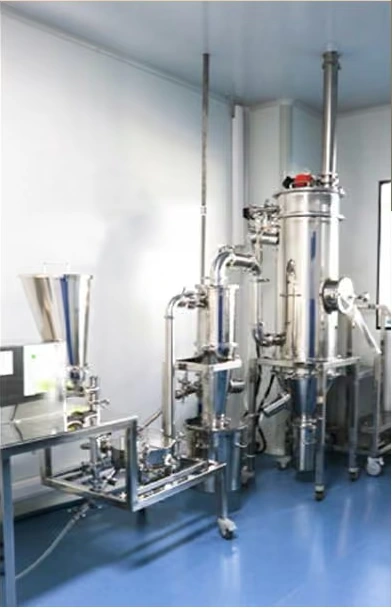
Mixing at high speed helps create a uniform, stable suspension before filling.
Watch this stage 13 sec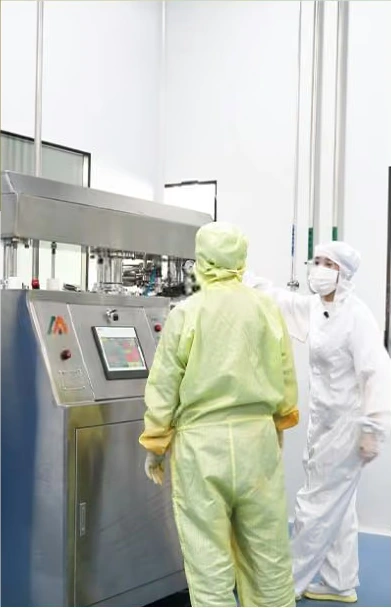
A precision pump dispenses measured amounts into individual cavities to support consistent tablet weight and ingredient content.
Watch this stage 15 sec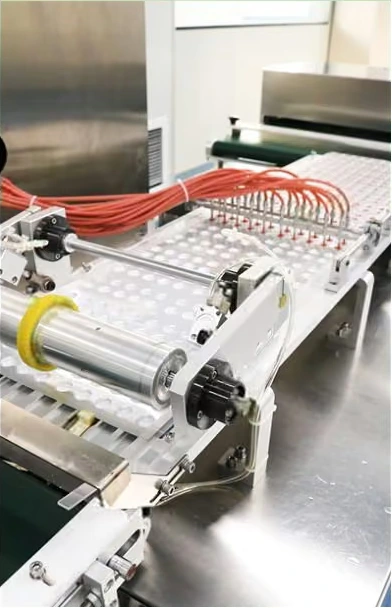
Rapid freezing forms small ice crystals throughout the prepared formulation.
Watch this stage 15 sec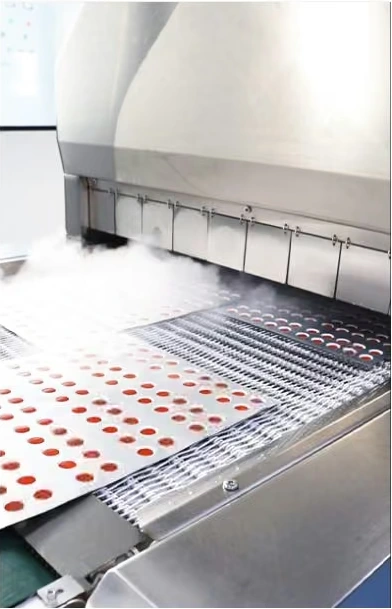
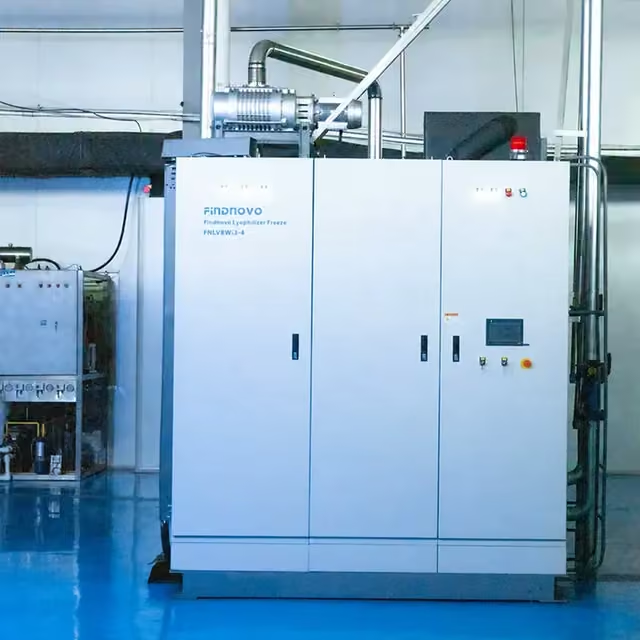
Under vacuum, ice changes directly into vapor, leaving fine channels that create a porous tablet structure.
Watch this stage 18 sec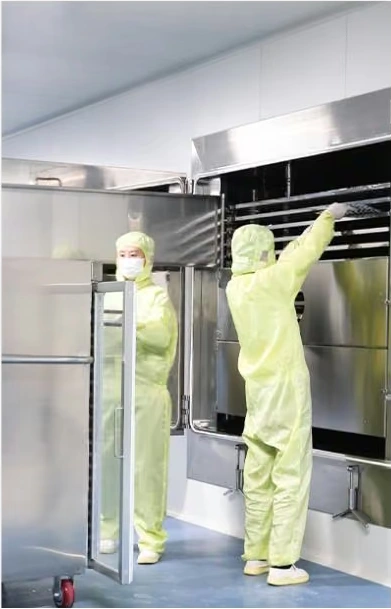
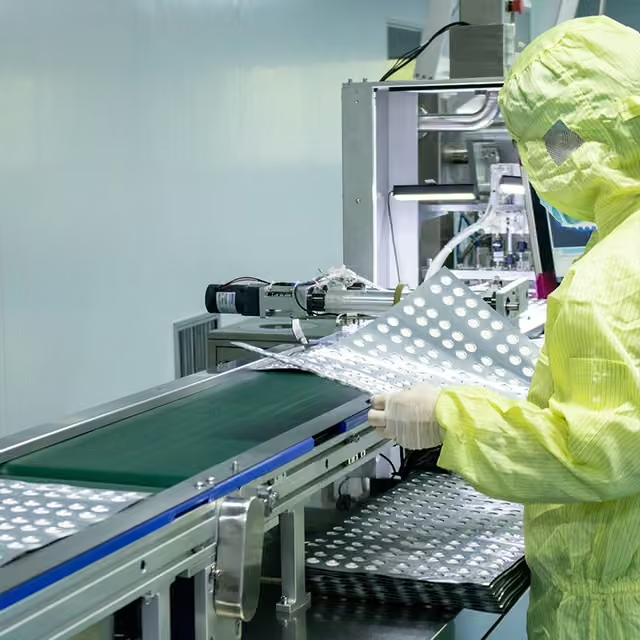
Coated aluminum blister materials help protect finished tablets from moisture and oxygen. Confirm barrier performance, seal integrity and compatibility for the product.
Watch this stage 16 sec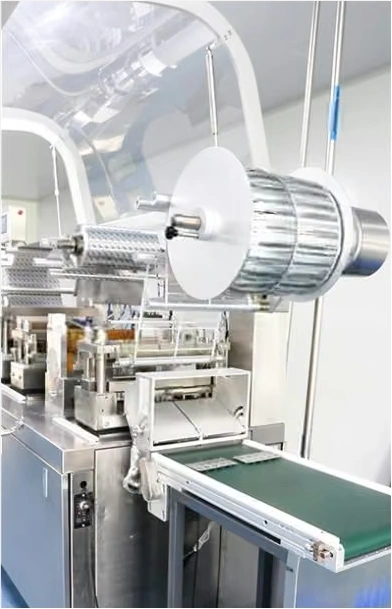
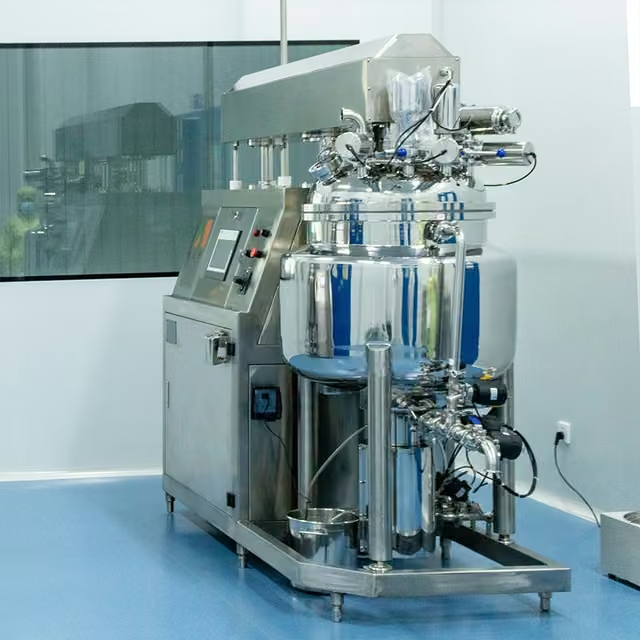
Inside production
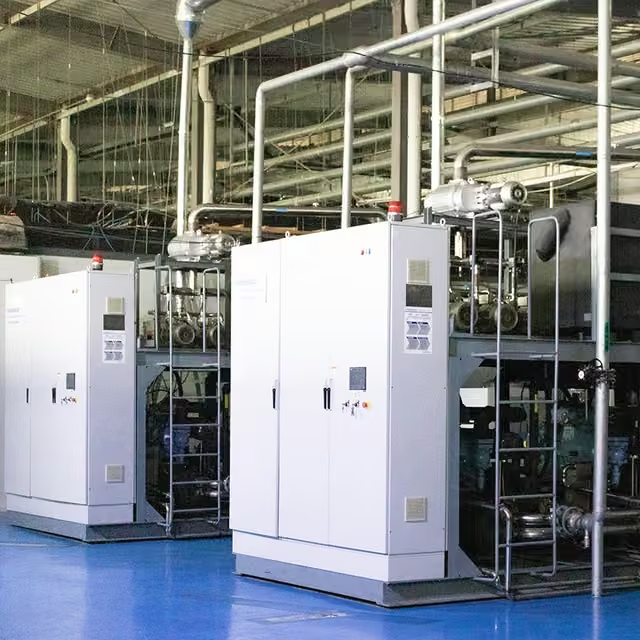
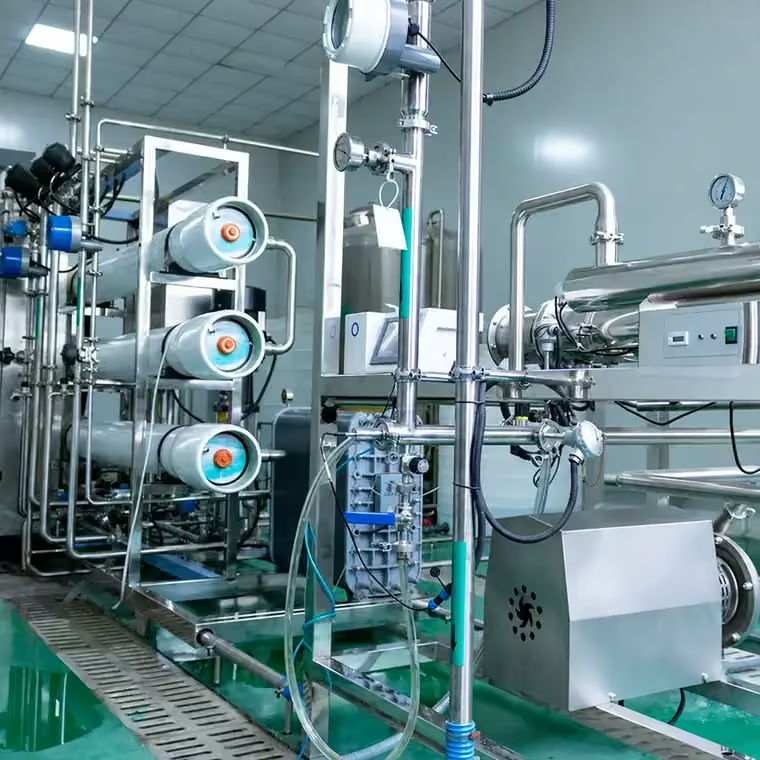
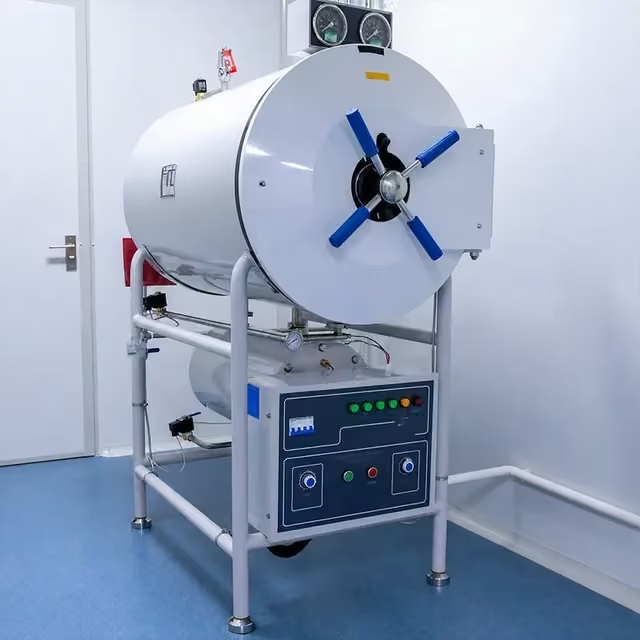
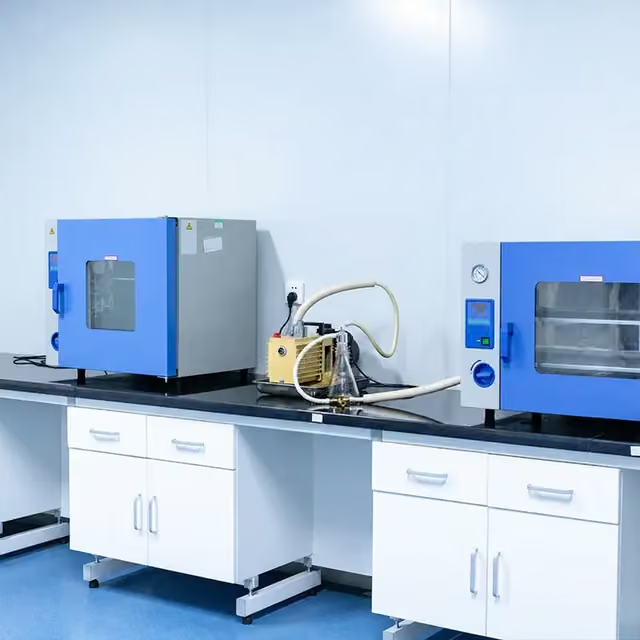
These photographs show where tablets are formulated, made and tested. SunTech coordinates the commercial requirements and the relevant technical review.


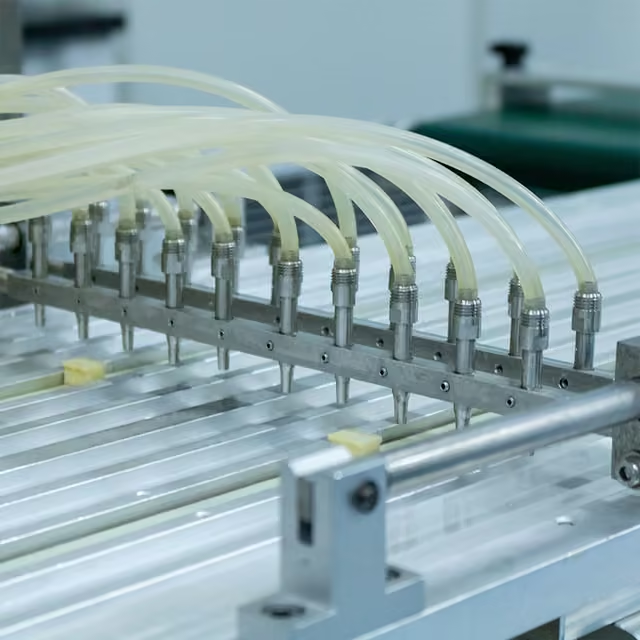
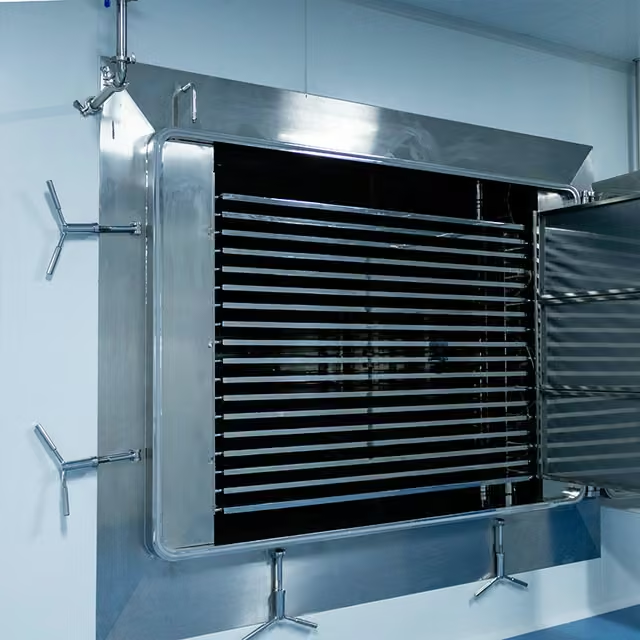
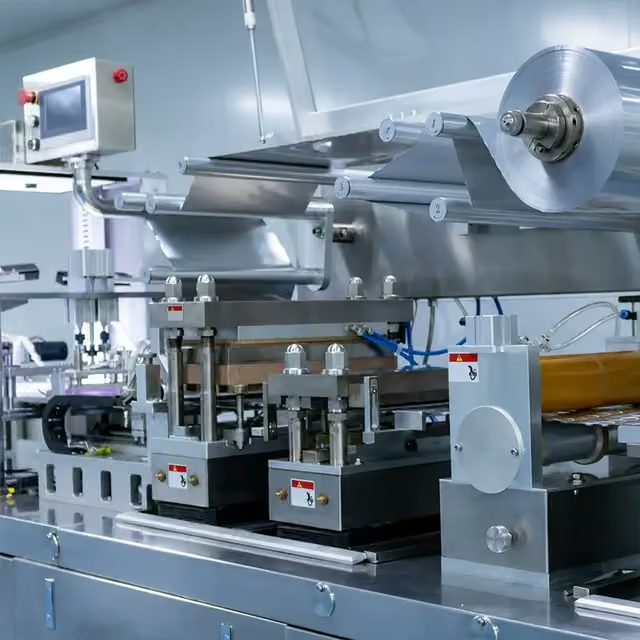

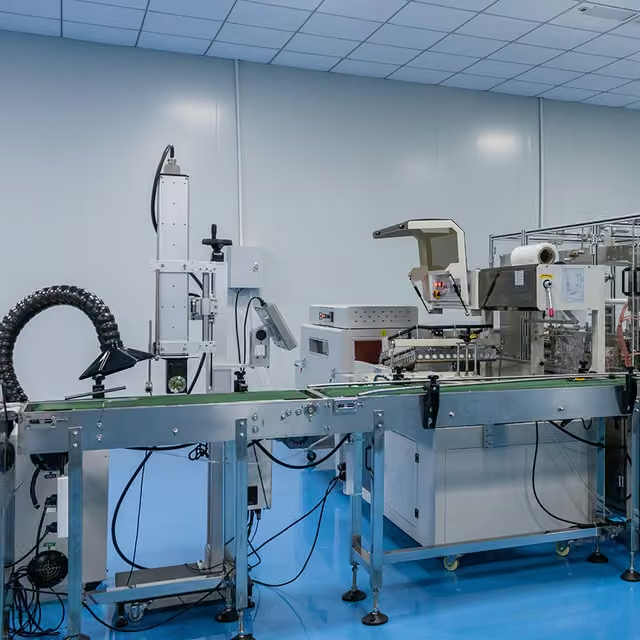
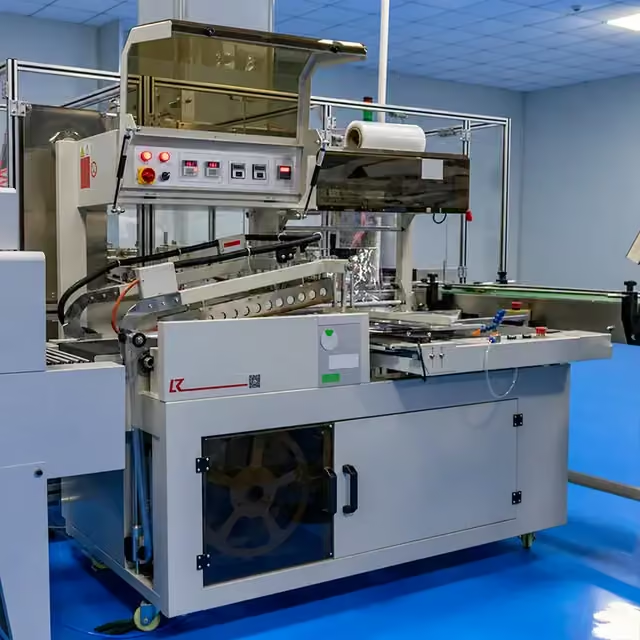
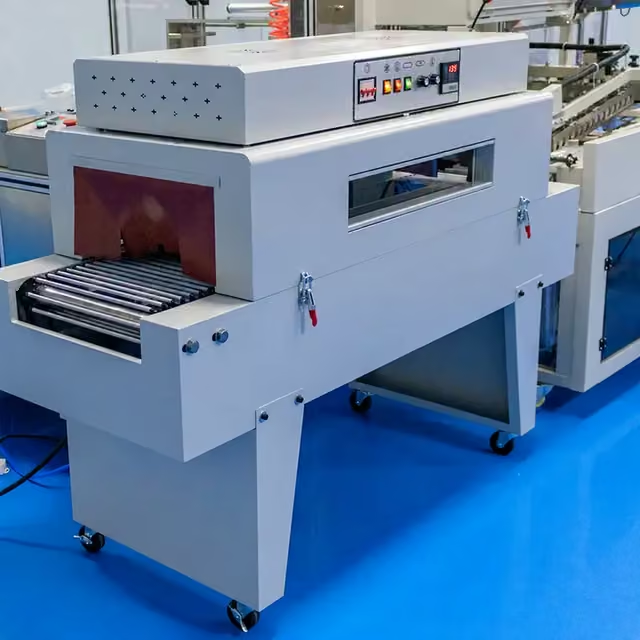
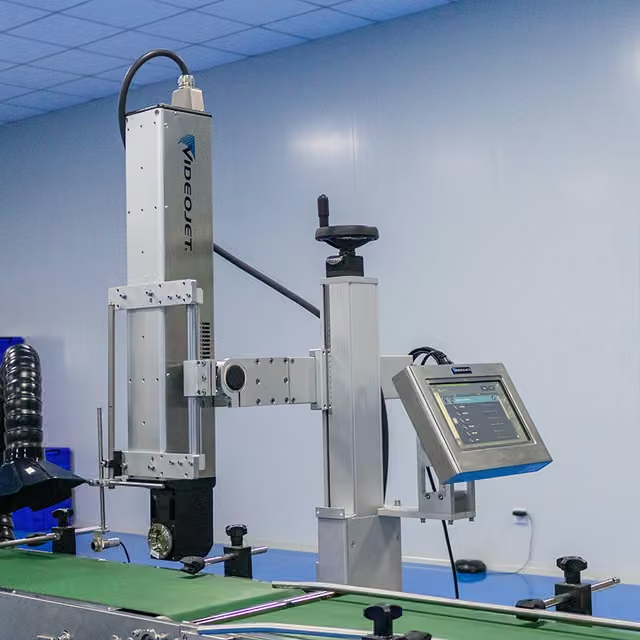
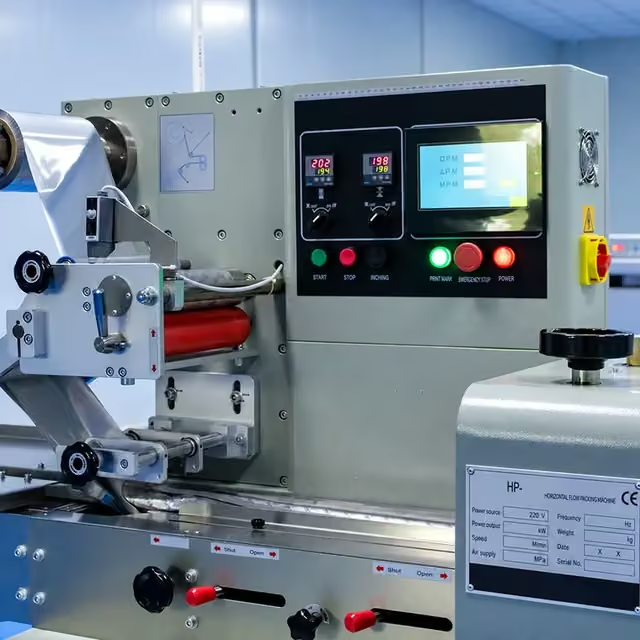
Performance of the finished product
Bring the active pharmaceutical ingredient (API), target dose and current product requirements to SunTech. A feasibility review determines whether a freeze-dried format can meet them. Compatibility cannot be assumed for every drug, particularly products that depend on a delayed or extended release profile.
Disintegration describes a tablet breaking apart. Absorption concerns how an ingredient enters the body. A disintegration demonstration alone cannot establish absorption, bioavailability or a health benefit.
Disintegration time depends on the ingredients, tablet structure and test conditions. Ask for the specification and supporting results for the product you are evaluating.
Ingredients, moisture protection, packaging and storage conditions all matter. Shelf life and handling instructions must be established for the finished formulation.
Discuss the product specification, ingredient and strain information, stability or disintegration data, and available quality or batch documentation with SunTech. The applicable documents depend on the product and project.
Brochures & technical inquiries
These introductory guides summarize the platform and product presentation. Request specifications and test records for the product you need separately.
Get the SunTech Resource KitTechnical guides, partnership fliers, and QR codes to save or share.View downloadsFour partnership options, six production stages and our manufacturing capacity.
Download capabilities PDFWhy the tablet breaks apart in the mouth, what the format offers and who may prefer it.
Download probiotic guide PDFTell us which product, market and documents you need. We will discuss the supporting information available for your inquiry.
Request technical information →Send the ingredient, target dose and intended market.
Automated website answers
Automated answers use SunTech website information. For personal medical questions, speak with your clinician. Keep confidential information out of this chat.